
Newsletters
Our newsletters provide resources for health information and Merci-nAx Care Solutions stands at the forefront of healthcare innovation, committed to delivering exceptional patient care through advanced technology and personalized service.
Community Health in Action
Merci-nAx Care Solutions at the Annual Chandra Cheeseborough Invitational Track Meet
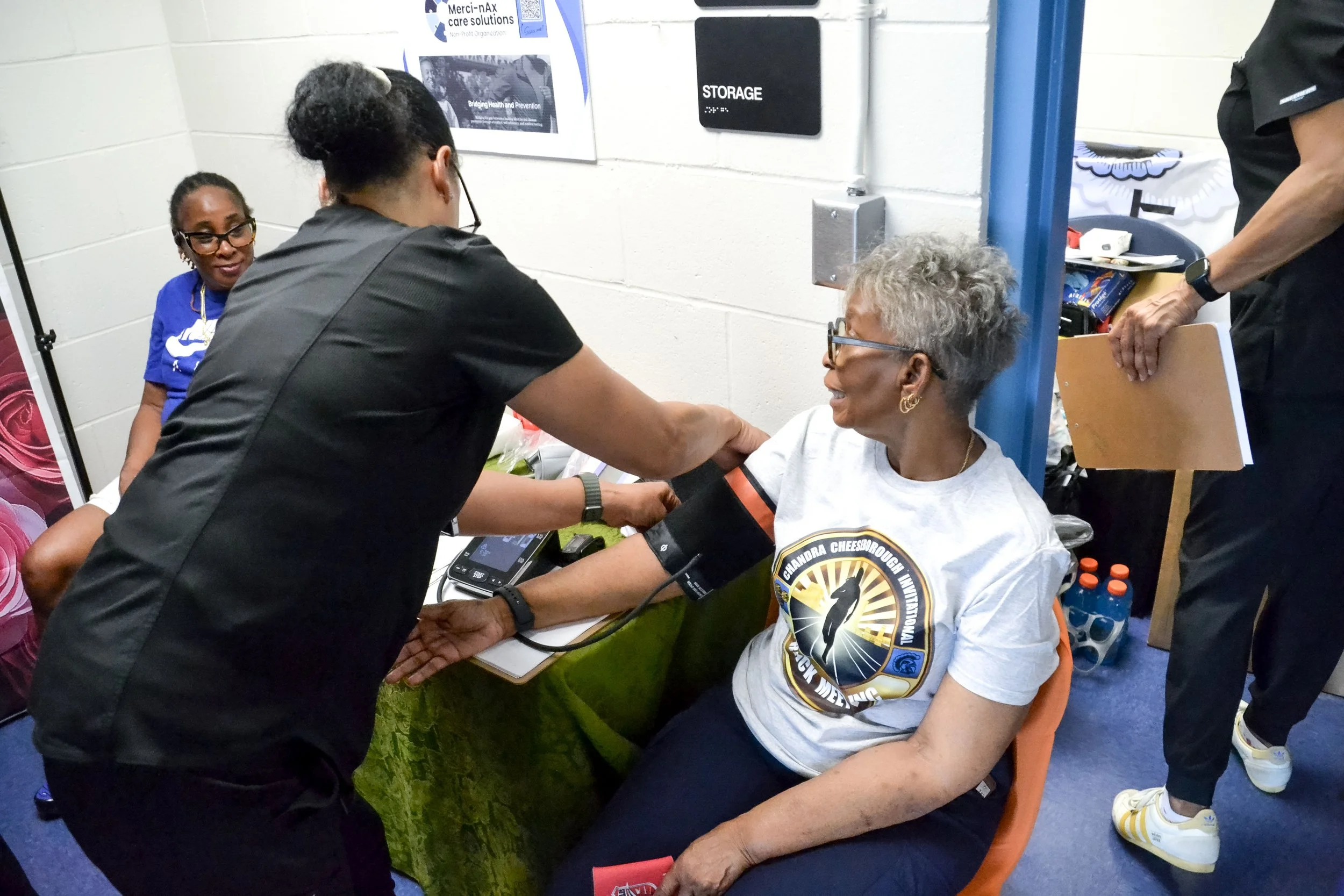
Merci-nAx Care Solutions was proud to contribute to the Annual Chandra Cheeseborough Invitational Track Meet by bringing important health services and practical wellness education directly to the community. As the first organization to introduce a program designed to promote and offer health screenings at an athletic event on an annual basis, Merci-nAx Care Solutions helped support athletes, families, and attendees with accessible screenings, wellness-focused engagement, education on how to properly prepare for more accurate glucose results, simple nutrition tips such as easy ways to add vegetables to everyday meals, and a valued partnership with Vision Is Priceless to provide annual eye screenings while discussing the importance of yearly eye exams.
Event Highlights
· More than 20 Vision Is Priceless vision screenings provided through an annual partnership, along with
education on the importance of yearly eye exams
· More than 15 blood glucose were completed
· More than 18 blood pressure checks were conducted
· Public education provided on proper preparation for more accurate glucose results
· Simple strategies for adding more vegetables to everyday meals
· Food samples and vegetable plants distributed to help families start simple home gardens
· Free blood pressure monitors provided to members of the community
These services reflect Merci-nAx Care Solutions’ continued commitment to health education, early detection, disease prevention, and long-term community wellness. By combining screenings with practical nutrition guidance, food sampling, gardening support, and free blood pressure monitors, the organization helped equip community members with tools they can use beyond the event itself. This annual effort also represents an innovative approach to bringing health promotion into athletic spaces and expanding access to preventive care where communities gather. We celebrate this meaningful contribution and thank everyone who helped make the day a success.
Looking ahead, Merci-nAx Care Solutions aims to expand this model to high school athletic events to reach young people, families, and underserved communities throughout Northeast Florida. This vision reflects the organization’s commitment to making preventive health services more visible, accessible, and impactful in the places where communities gather.
Merci-nAx Care Solutions would also like to thank our teams, Vision Is Priceless, Maxie's Girls, CCITM, and Ribault Class of 1984 for coming together to make our first annual athletic partnership a success. Their collaboration, commitment, and shared vision helped create a meaningful event for the community.


March: Setting Priorities, the Art of Choosing What Matters
In a world filled with constant notifications, endless to-do lists, and competing demands, it’s easy to feel busy without actually being productive. The truth is, not all tasks are created equal. Learning how to distinguish between what is urgent and what is truly important is one of the most valuable skills you can develop. When you begin to prioritize effectively, you shift from simply reacting to your day to intentionally shaping it.
One of the most powerful tools for prioritization is the Eisenhower Matrix. This framework breaks your tasks into four clear categories: urgent and important, important but not urgent, urgent but not important, and neither urgent nor important. While many people spend most of their time in the “urgent” categories, real progress often comes from focusing on what is important but not urgent. These are the tasks that contribute to long-term growth—planning, relationship-building, skill development, and strategic thinking. They may not demand immediate attention, but they are the foundation of meaningful success.
Another practical strategy is identifying your Daily MITs—Most Important Tasks. Instead of trying to tackle everything at once, choose two to three tasks each day that will have the greatest impact. These should align with your larger goals and priorities. By committing to completing these key tasks, you create a sense of clarity and direction for your day. Even if unexpected responsibilities arise, finishing your MITs ensures that your day still feels productive and purposeful.
To put these ideas into action, start small. At the beginning of each day, review your to-do list and sort tasks using the Eisenhower Matrix. Then, highlight your top 2–3 MITs and tackle them during your most focused hours. Limit distractions by setting boundaries with notifications or scheduling uninterrupted work blocks. Don’t be afraid to delegate or delay tasks that fall into the “not important” categories. Finally, take a few minutes at the end of the day to reflect on what worked and what didn’t—this simple habit can help you refine your approach over time.
As we move through March, challenge yourself to be more intentional with your time. Prioritization isn’t about perfection—it’s about progress. With the right tools and a clear focus, you can reduce stress, stay organized, and make meaningful strides toward your goals.


February- Time Management Fundamentals
Effective time management is essential for productivity, focus, and overall well-being. Mastering your schedule allows you to take control of your day rather than reacting to constant demands. The following foundational techniques provide practical strategies for managing time more intentionally and efficiently.
Time Blocking
Time blocking involves allocating specific periods of your day to defined categories of work, such as focused tasks, meetings, administrative duties, and personal breaks. By planning your schedule in advance, you create clear boundaries for how your time is used.
These blocks should be treated as fixed commitments, similar to appointments. Doing so reduces distractions, increases accountability, and ensures that high-priority work receives the attention it deserves.
The Pomodoro Technique
The Pomodoro Technique is a time management method designed to improve focus and prevent mental fatigue. It involves working in concentrated intervals typically 25 minutes followed by short breaks.
This structured approach aligns with the brain’s natural attention span, making it easier to maintain concentration while reducing the risk of burnout. Longer breaks can be taken after several intervals to allow for recovery and sustained productivity.
Task Batching
Task batching focuses on grouping similar tasks together and completing them during a single, dedicated time period. This approach minimizes context switching, which can significantly reduce efficiency and increase cognitive strain.
By handling related tasks such as responding to emails, scheduling meetings, or completing administrative work in one session, individuals can maintain momentum and complete work more effectively.



January – Reset Your Health & Habits
January is a time for fresh beginnings, making it the perfect opportunity to reset your health and habits. After the holiday season, many people experience fatigue, digestive issues, and low energy. Instead of jumping into extreme diets or rigorous workout programs, focus on small, sustainable changes that build a strong foundation for the year. Wellness is a journey of consistent daily habits rather than short-term intensity.
The first step is self-assessment. Take note of your sleep patterns, nutrition, physical activity, and stress levels. Journaling for a few days can help identify patterns, triggers, and areas that need improvement. Understanding your baseline is key to making informed, achievable goals.
Nutrition is one of the most impactful areas to reset. Incorporate more whole, unprocessed foods such as vegetables, fruits, whole grains, lean proteins, and healthy fats. Avoid extreme elimination diets. Instead, focus on adding nutrient-dense foods that boost energy, metabolism, and overall well-being. Hydration is equally critical—water supports digestion, detoxification, cognitive function, and energy levels. Aim for at least 8 glasses daily and consider herbal teas or infused water for variety.
Physical activity should be approached with balance and consistency. Start with moderate movement such as brisk walking, gentle yoga, or light strength training. The goal is to reconnect with your body, improve circulation, and build energy gradually. Short, daily sessions are more effective long-term than occasional intense workouts.
Mental wellness is essential for overall health. Chronic stress affects digestion, sleep, immunity, and metabolism. Introduce mindfulness practices such as meditation, journaling, or deep breathing exercises. Even 10 minutes daily can improve mood, focus, and resilience.
Finally, establish a weekly reflection routine. Track progress, celebrate small wins, and adjust goals as needed. The goal of a January health reset is not perfection—it’s about creating sustainable, balanced habits that provide energy, focus, and wellness throughout the year.

2025 Archived Newsletters
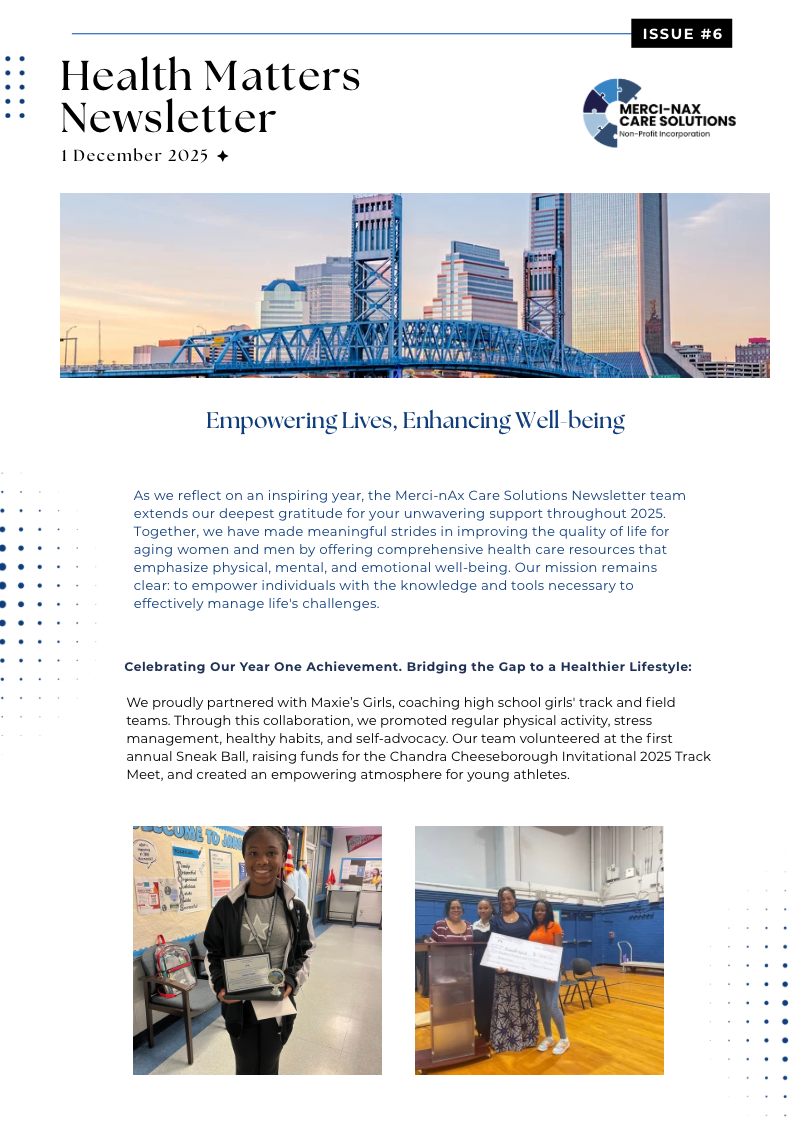
December 2025

Archived Newsletters
July 2025
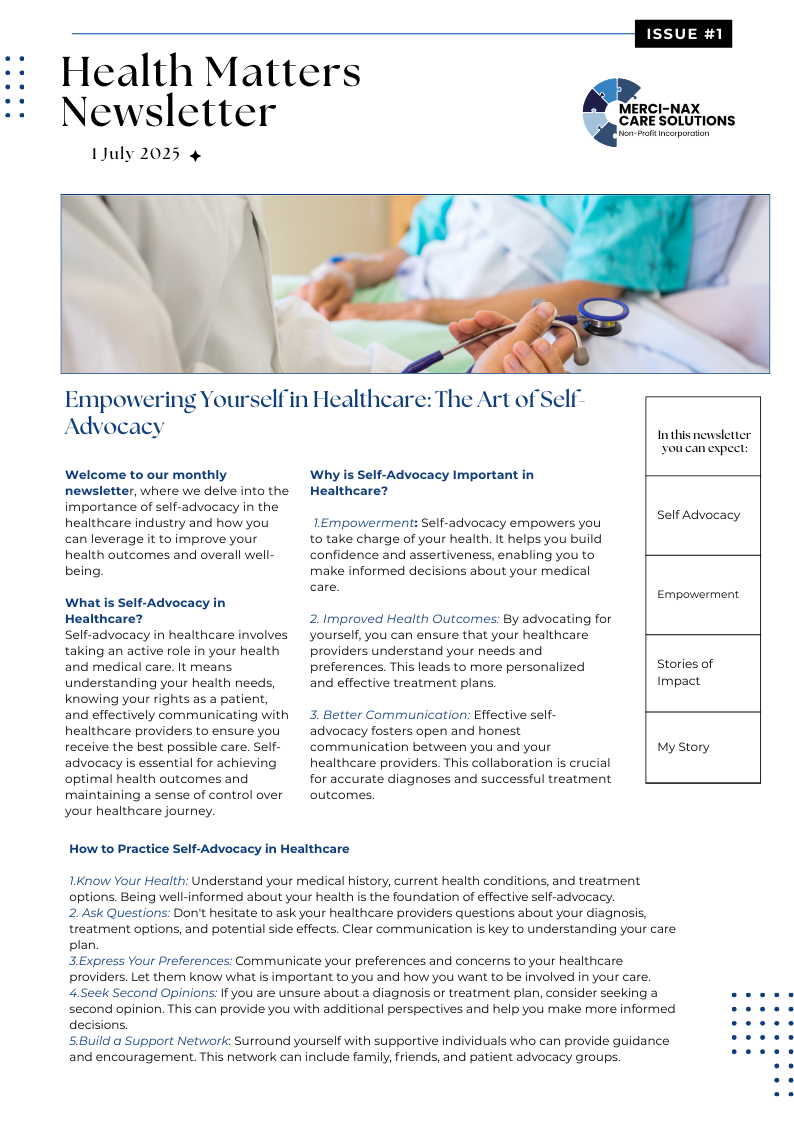
Empowering Yourself in Healthcare: The Art of Self-Advocacy

August 2025
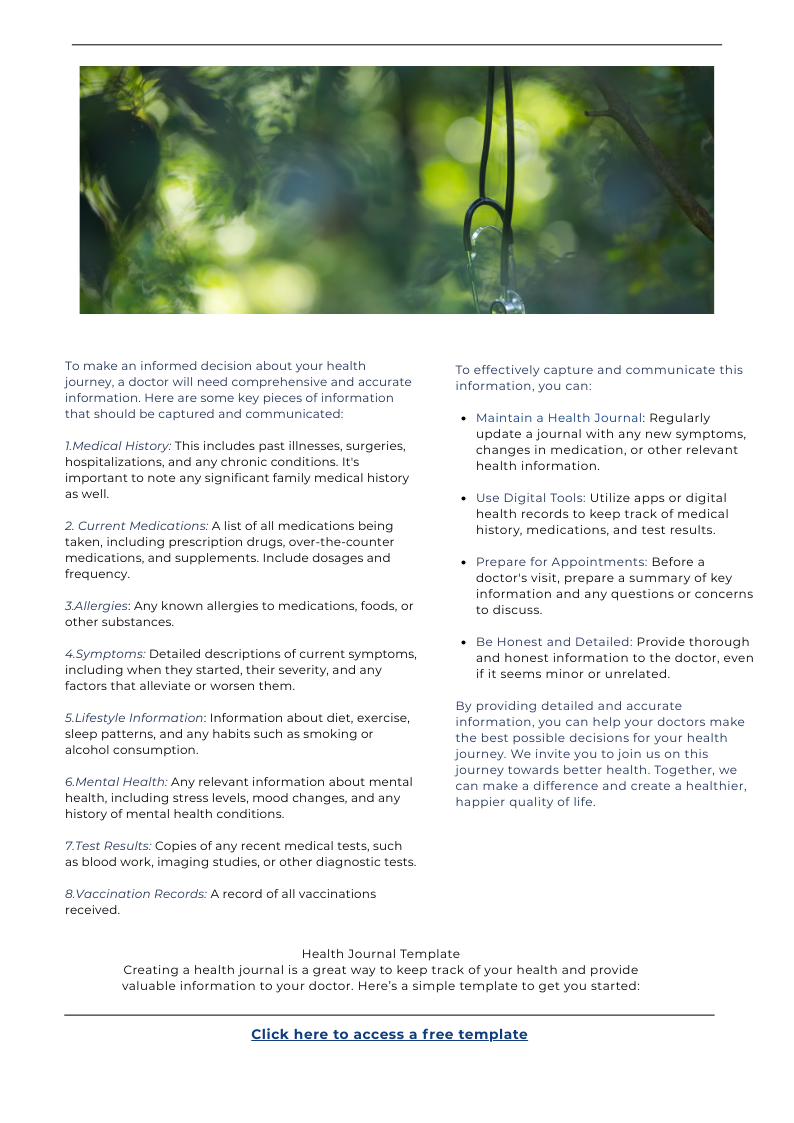
Are you ready to make the changes needed for a better quality of life?

September 2025
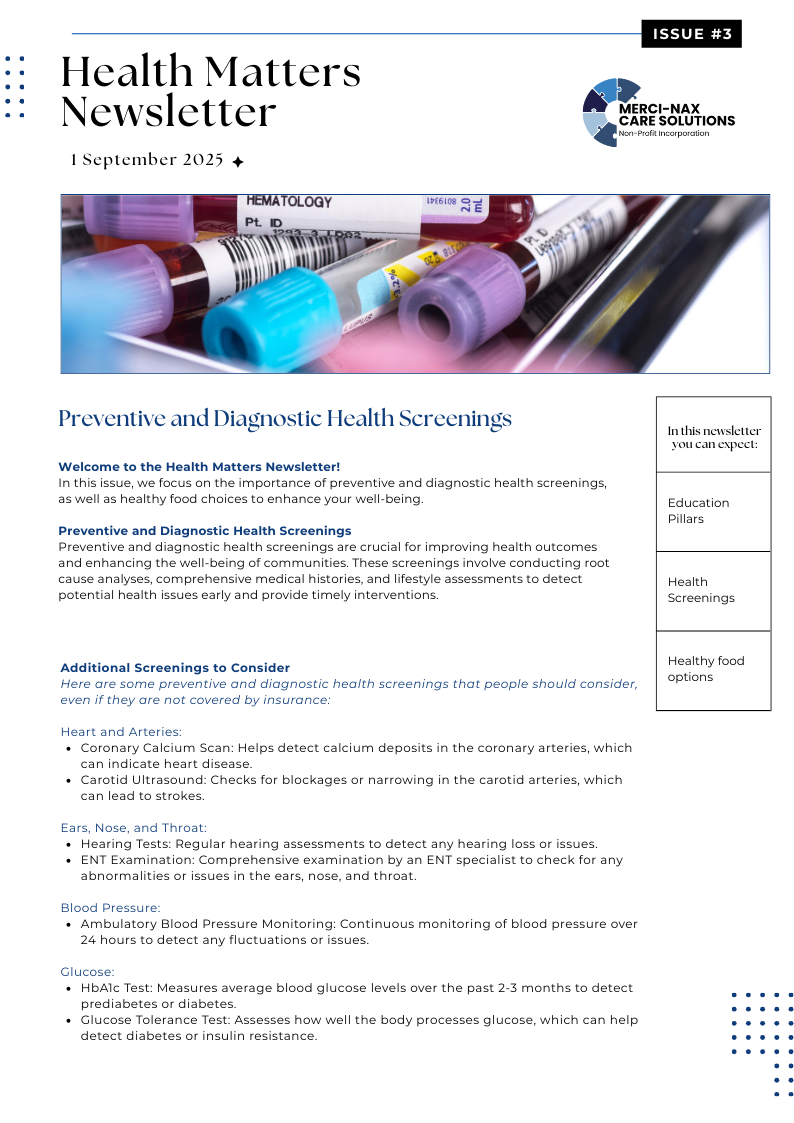
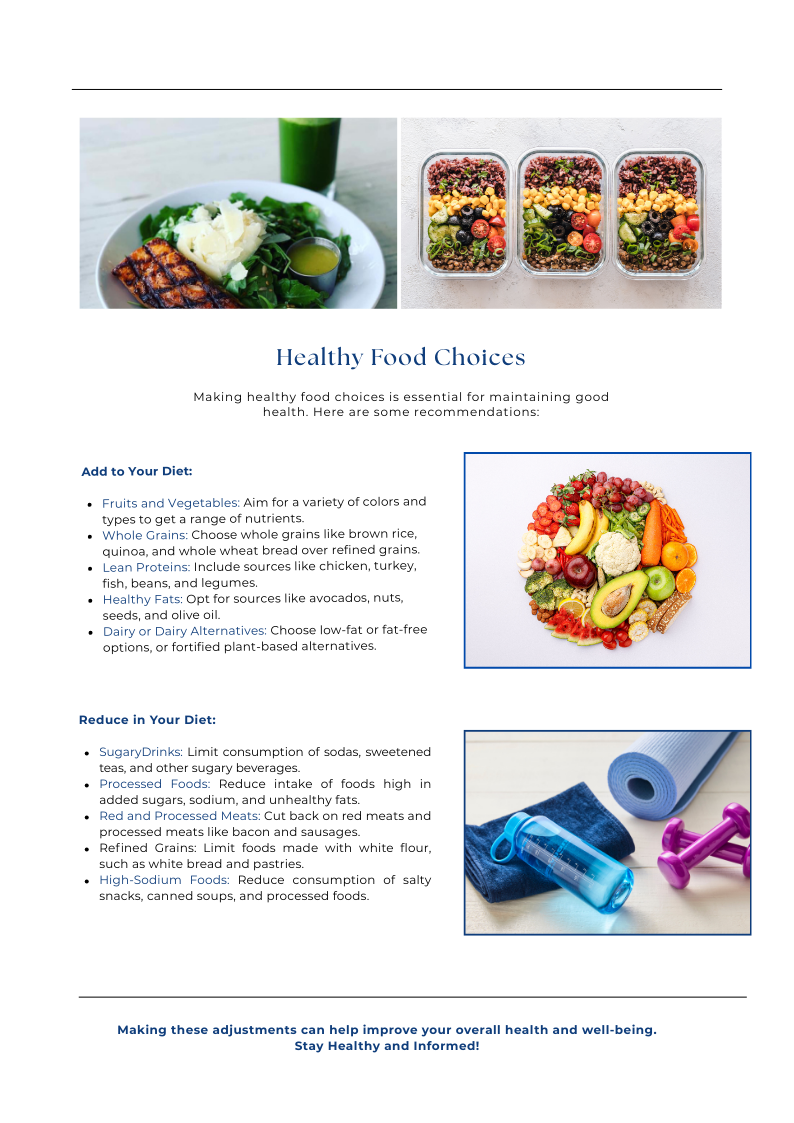
Preventative and Health screenings
October 2025
Learn about changing your mindset and creating positive habits in your life!

